
Precision Engineering Transforms Kenosha’s 60th Street
Written by: Kevin Risch, PE, Clark Dietz

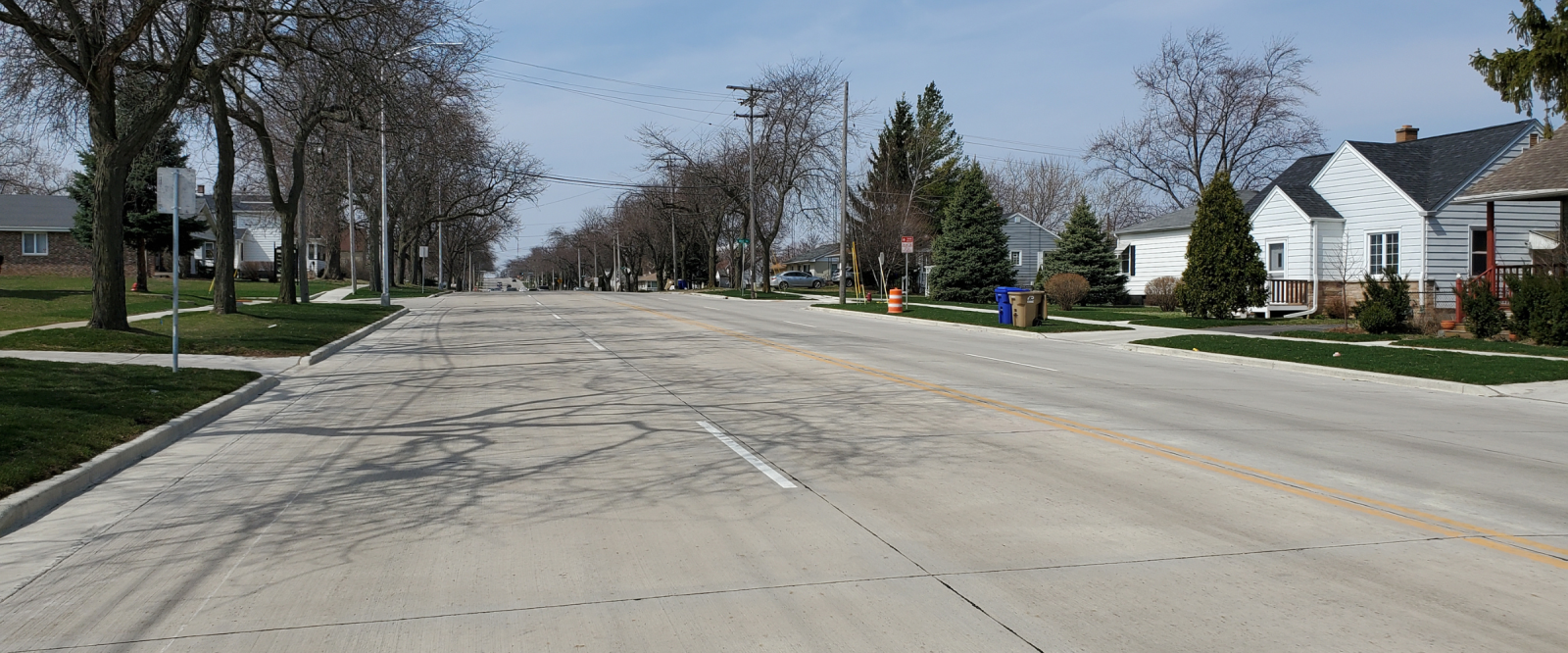
When city leaders in Kenosha, WI identified the need to reconstruct the 60th Street corridor—a vital 1.5-mile connector between I-94 and downtown—they knew they weren’t simply rebuilding a road. They were preparing the city for future growth, protecting essential infrastructure, and addressing persistent flooding concerns. Over six years, Clark Dietz, Inc. partnered with the city to phase and deliver this complex project, one segment at a time.
The result: a safer, more resilient corridor that now supports everything from emergency response to everyday commutes—all while staying over $1.5 million under budget.
Balancing Critical Infrastructure with Community Needs
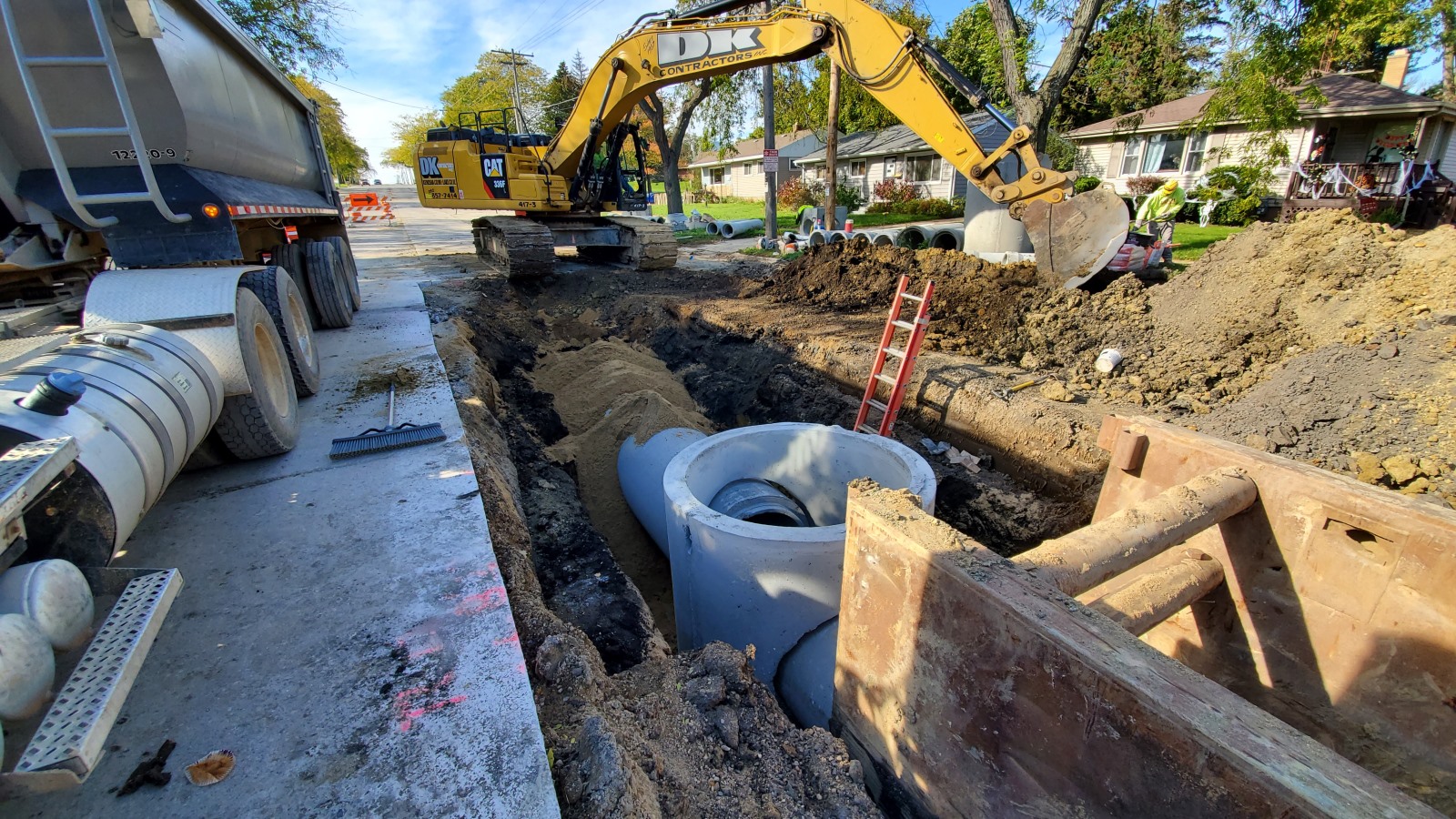 The corridor runs through both residential and commercial neighborhoods, making accessibility, traffic control, and utility coordination critical. Early in design, it became clear that existing underground infrastructure—layered water, storm, and sanitary lines—was as dense and entangled as any urban corridor. To preserve service and avoid disruption, Clark Dietz worked closely with city staff, contractors, and utility owners to plan around the “spaghetti bowl” of pipes beneath the pavement.
Among the most important changes was the installation of a new 78-inch storm sewer, connected downstream to an existing 84-inch outfall. This system was designed to carry large volumes of stormwater safely to Lake Michigan, a necessary improvement for a corridor that had experienced recurring flood events.
Responding to Real-World Conditions
 The most dramatic test of the corridor’s design came before the new storm sewer system was even complete. While construction crews were actively fabricating a custom drop structure at 39th Avenue, two back-to-back 100-year storms struck the region. Within hours, trenches flooded, soil washed out, and utilities were at risk. A 24-inch water main—pressurized by nearly two million gallons stored in two towers—was exposed and vulnerable. Had it failed, thousands of residents would have lost water, and extensive damage could have extended for blocks.
Clark Dietz engineers, city staff, and contractors worked through the night in storm conditions, assessing damage, directing emergency measures, and making on-the-fly decisions to stabilize the corridor. They deployed slurry backfill to shore up the trench in saturated conditions and used a pipe balloon upstream to temporarily divert stormwater flow. By early morning, the site was stabilized, and a full collapse was avoided. The team returned just hours later to begin cleanup and implement long-term repairs—all while maintaining public safety and continuity of service.
A Corridor Built for the Long Haul
Throughout the six-phase reconstruction, Clark Dietz collaborated with the city to balance public accessibility and progress. Adjustments were made to accommodate funeral processions, maintain fire station access, and support local businesses. New LED lighting, improved storm sewer inlets, salvaged parkway trees, and concrete pavement all contribute to the corridor’s longevity, reducing future maintenance costs and improving sustainability.
By emphasizing constructability, long-term life cycle value, and public welfare, the 60th Street Corridor project exemplifies engineering’s role in protecting communities—not just physically, but financially and socially.
About the Guest Blogger
 Kevin Risch, PE is an experienced Project Manager/Municipal Engineer at Clark Dietz, Inc. Clark Dietz is a full-service civil, electrical, mechanical, and structural engineering firm committed to improving the built environment through innovative, community-focused solutions. Clark Dietz is proud to be an active member of ACEC Wisconsin.