
STH 19 Modernization Project Improves Safety, Accessibility, and Environmental Preservation
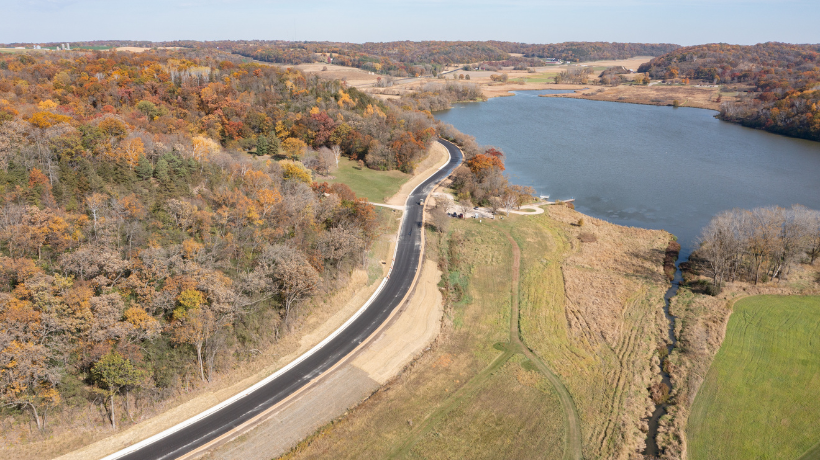
The STH 19 project stands out as a remarkable example of innovative engineering and thoughtful problem-solving in transportation infrastructure. This corridor, which includes connections to Indian Lake Park and the Ice Age Trail, is crucial for recreation and posed complex engineering challenges that required advanced solutions. Throughout the existing roadway, there were issues with safety and geometric deficiencies, including narrow pavement, steep slopes, blind hills, and sharp curves, making it potentially hazardous for users. A complete redesign was essential to enhance both safety and functionality.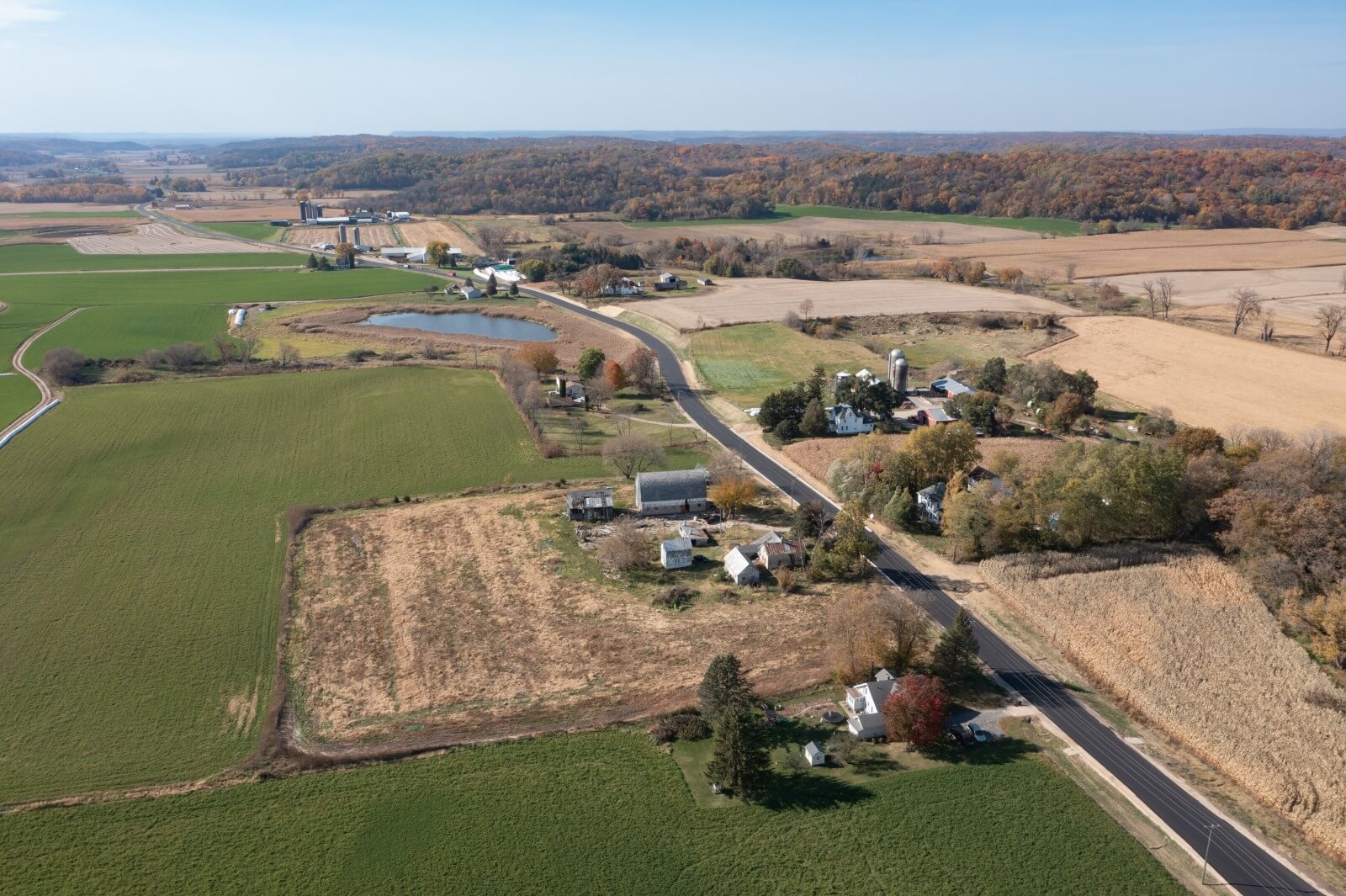
Preserving Cultural and Historic Resources
One of the biggest priorities of the STH 19 project was preserving cultural heritage while advancing modern infrastructure. The corridor has several archaeologically and historically significant sites, including the Old Halfway Prairie School, which is the oldest schoolhouse in Dane County. The design team ensured that all archaeological and historic areas were preserved, protecting their significance to the community.
Protecting Threatened and Endangered Species
In addition to incorporating these historical sites into the holistic project design, numerous threatened and endangered species were identified and conscientiously avoided within the project corridor. The project team worked with the Wisconsin Department of Natural Resources (WDNR) to find ways to protect the identified species and avoid direct impacts while the road was being reconstructed.
Designing Through Complex Terrain
The terrain of the STH 19 corridor presented its own set of challenges, with large rock outcroppings, steep slopes, and rolling hills, particularly in the eastern part of the project area. These natural obstacles could have resulted in increases in time and budget, but the project team utilized limited installations of barrier wall and carefully considered prevailing soil characteristics to design safe slopes and terrain while minimizing the changes to the land and costs for the project.
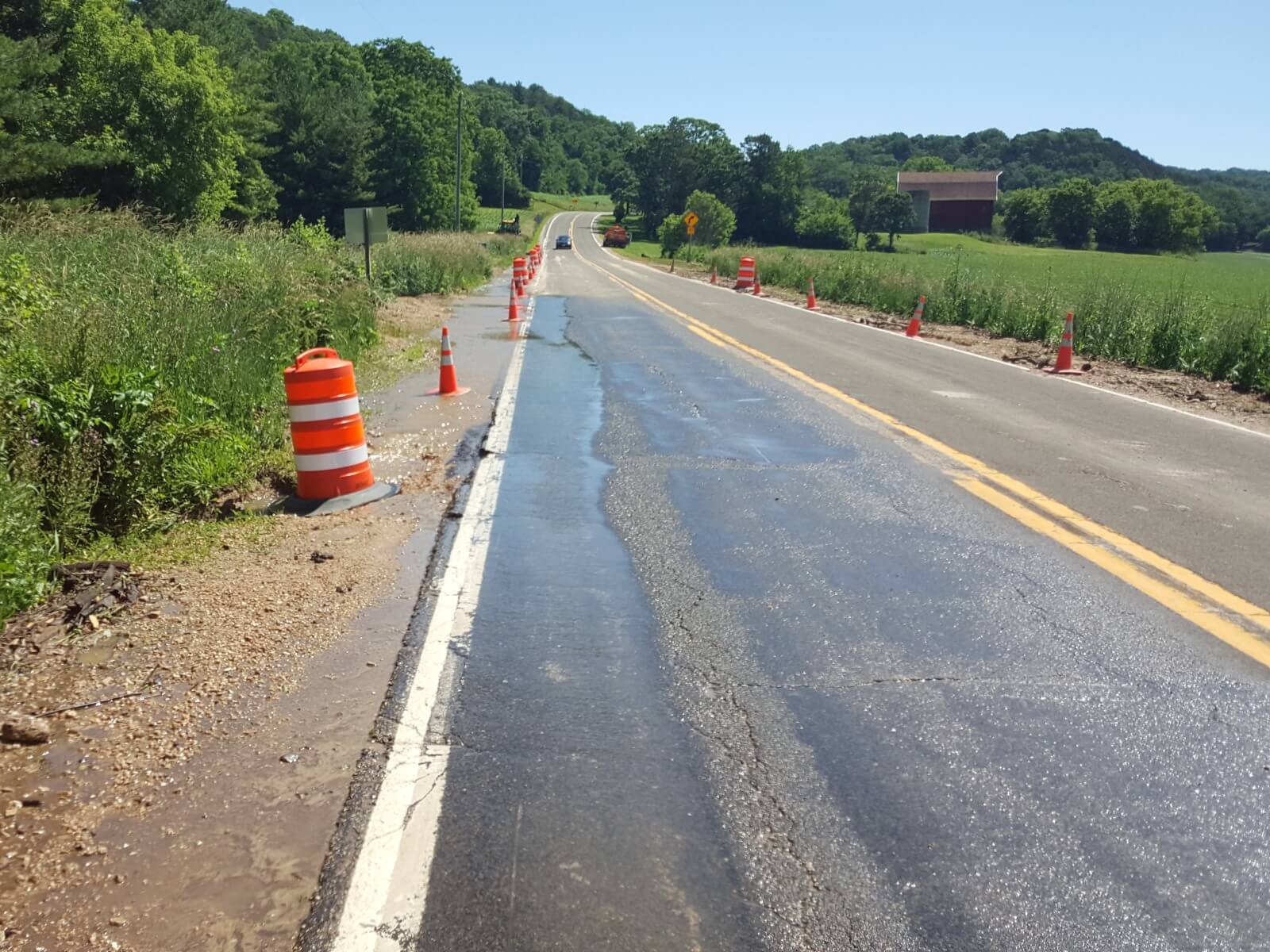
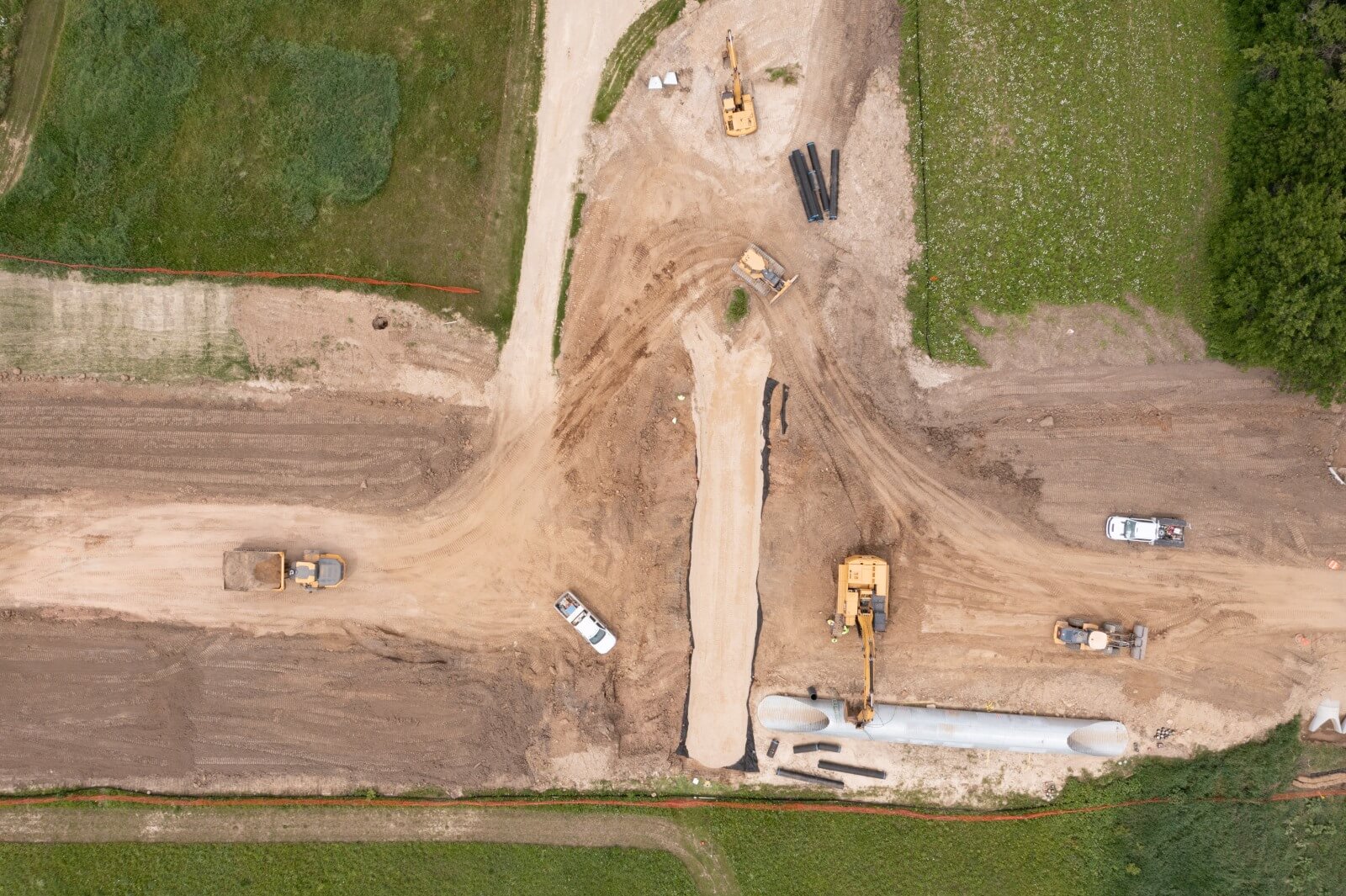
Drainage was another major challenge, with very large watersheds draining toward and attempting to cross STH 19. By collaborating with WisDOT and stakeholders, the project team was able to focus their watershed analysis and proposed drainage models to provide sophisticated solutions at the most challenging locations along the corridor. The network of cross culverts and storm sewer will serve to make STH 19 more resilient against future roadway overtopping and washouts.
STH 19’s connections with recreational areas required coordination with local organizations, such as Dane County Parks and the Ice Age Trail Alliance. This partnership resulted in the addition of a pedestrian underpass on the Ice Age Trail, serving as a mutually beneficial mitigation measure for the project’s park impacts. The improvements demonstrate the design team’s resourcefulness and creativity, balancing STH 19’s improvements with stakeholder concerns and environmental needs.
Innovative Solutions for a Challenging Corridor
The design team delivered a safer, more durable road while maximizing investment by focusing on areas with existing crash history or substandard geometrics. This strategic approach ensured that resources were used efficiently, providing the greatest benefit in terms of safety and performance.
The benefits to the community are equally significant. The improved roadway enhances safety for all users, including cars, bikes, pedestrians, and agricultural traffic. By reducing accidents and improving access to recreational areas, the project enhanced the overall roadway experience for everyone.
The STH 19 project is a noteworthy example of how modern engineering needs can be balanced with environmental and cultural considerations.
By addressing complex challenges and exceeding client and community expectations, the project not only provides immediate benefits but also sets a precedent for sustainable and socially responsible infrastructure development in the future. This project shows how infrastructure improvements can be achieved without compromising cultural and environmental integrity.
 About the Guest Blogger
Brad Groh, PE, is a Design Manager at JT Engineering, Inc. JT was founded in 2005 and has now grown to four office locations and over 100 employees. Brad serves as the Chair of ACEC Wisconsin’s Transportation Steering Committee, and he is also a 2017 ACEC Wisconsin Leadership Institute graduate.